
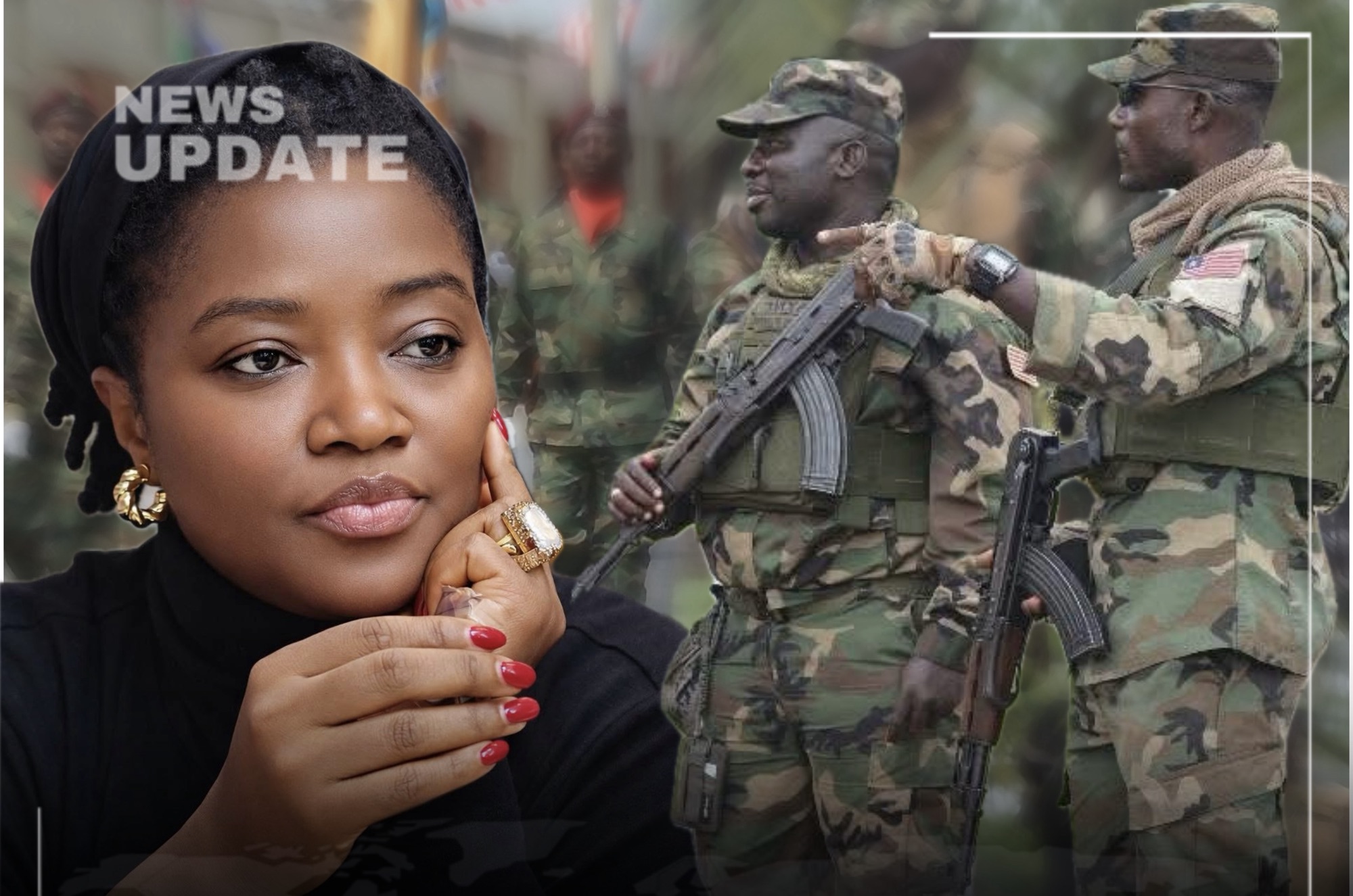
A viral proposal by businesswoman and content creator Wally Alicia Koiwood Loveland ignites hope, criticism, and tough questions about responsibility, patriotism, and national defense.
Monrovia, Liberia – A bold and unconventional proposal by Liberian businesswoman, philanthropist, and content creator Wally Koiwood Loveland, popularly known as “De Licia,” has set social media ablaze, triggering a nationwide conversation about patriotism, responsibility, and the future of Liberia’s security.
Amid rising tensions and public discourse surrounding border concerns between Liberia and Guinea, along with online comparisons to countries like Ghana, Koiwood proposed what many are calling a “citizen-powered solution” to strengthening the country’s defense system.
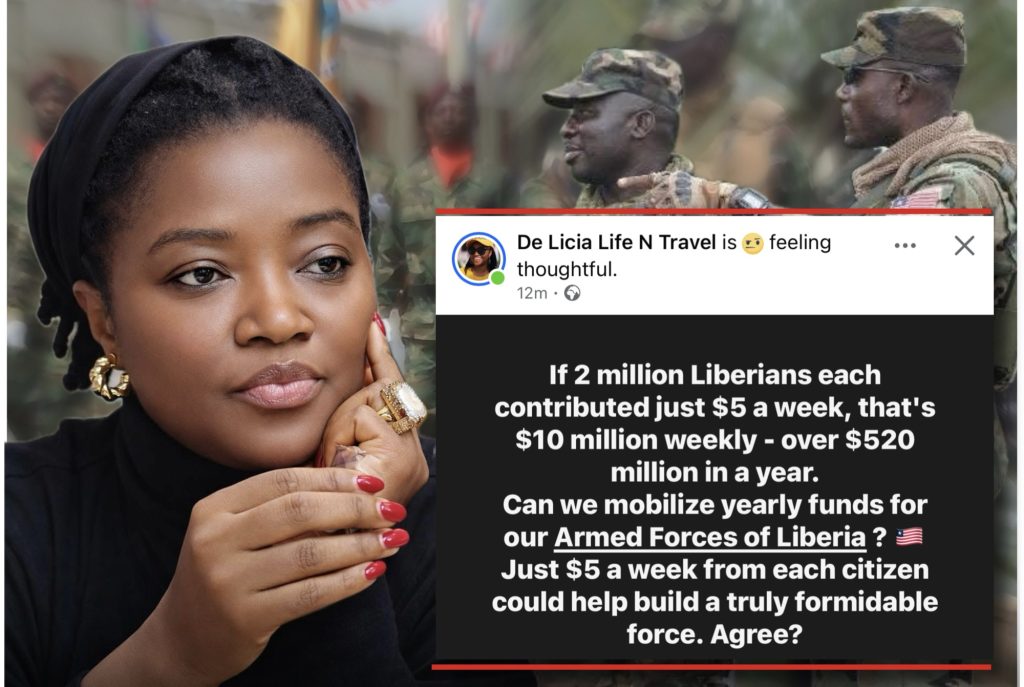
In a viral post, she suggested that Liberians collectively contribute just $5 weekly to support the Armed Forces of Liberia (AFL), which is widely believed to have around 2,000 active personnel.
“If 2 million Liberians each contributed just $5 a week, that’s $10 million weekly — over $520 million in a year. Can we mobilize yearly funds for our Armed Forces of Liberia?” she wrote.
The proposal quickly gained traction online, with thousands of shares, comments, and reactions within hours. Many users praised the idea as innovative and patriotic, seeing it as a way for citizens to take ownership of national security.
One supporter commented, “That money could also empower a new generation of engineers,” suggesting that such a fund, if properly managed, could have broader developmental impact.
However, the idea has also faced sharp criticism.
Skeptics argue that the financial burden is unrealistic, especially in a country where unemployment and economic hardship remain significant challenges. Others questioned why citizens should be expected to fund national defense, a responsibility traditionally reserved for the government.
“This is not sustainable,” one critic wrote. “If the government cannot prioritize security, why should struggling citizens be asked to do so?”
Analysts say the proposal highlights deeper concerns about trust in governance, transparency, and national priorities. While some view it as a symbol of unity and collective responsibility, others see it as a reflection of systemic gaps in state capacity.
The debate also comes at a time when discussions around Liberia’s military strength have intensified, particularly in light of regional comparisons and border developments.
Despite the divided opinions, one thing remains clear: Loveland’s proposal has struck a nerve.
Whether it evolves into a structured initiative or fades as a viral moment, it has already succeeded in sparking a critical national conversation, one that forces Liberians to confront difficult questions about who is responsible for securing the nation and how that responsibility should be shared.
NOTE: Images use in this article is owned by the individuals in it, we have no right to them and we are only using it for the use of our articles. Also, please follow us on all social media media pages and join our WhatsApp Channel and Telegram channel. You can follow our YouTube and TikTok for more interesting videos and clips. Don’t miss out on anything about Gossip Liberia.