
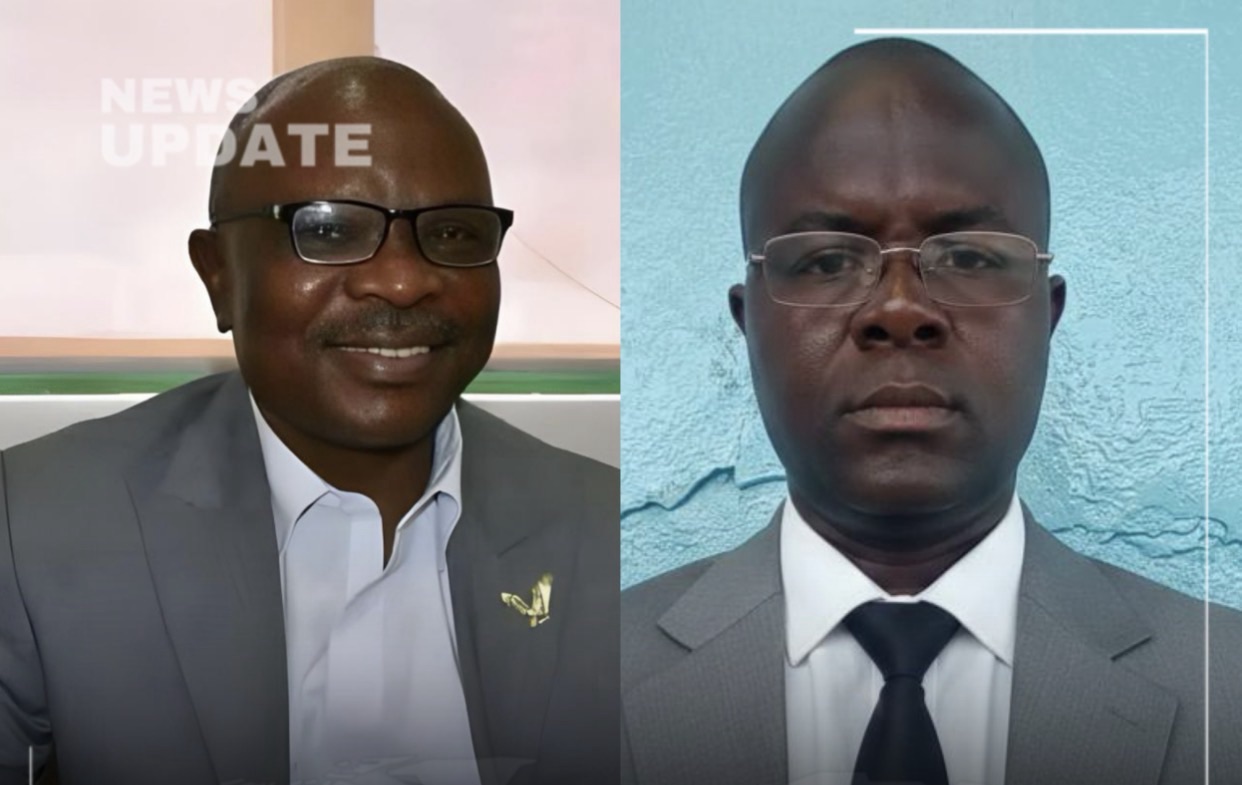
The recent conviction of two former senior officials of the Liberia Institute of Statistics and Geo-Information Services (LISGIS) continues to generate public discussion, with some observers calling for a closer review of the evidence presented during trial.
Thank you for reading this post, don't forget to subscribe!Two weeks ago, Criminal Court “C” found Lawrence George and Dominic Paye guilty of economic sabotage and related corruption offenses linked to the handling of funds allocated for national census activities between 2019 and 2022. The case originated from a 2023 indictment by the Liberia Anti-Corruption Commission (LACC), which alleged that approximately US$1.795 million earmarked for census operations could not be properly accounted for.
Throughout the proceedings, both men pleaded not guilty, a position that contrasts with some early reports suggesting otherwise. Following the court’s ruling, George and Paye were ordered to repay about US$97,000.
The outcome has drawn additional attention due to the handling of other individuals implicated in the case. Three former officials, including ex-LISGIS Director General Francis Wreh, avoided conviction after agreeing to repay US$30,898. This development has prompted questions among segments of the public about the differing outcomes and whether all available documentation was equally weighed.
Supporters of the convicted officials argue that internal LISGIS records presented by the defense may not have received full judicial consideration. They contend that the court relied heavily on submissions from the prosecution rather than conducting a broader examination of institutional documentation.
In his final judgment, Judge OusmaFeika maintained that the defense did not convincingly challenge the prosecution’s evidence and that the facts presented during trial supported the jury’s decision.
Nonetheless, the verdict has fueled public debate, with some commentators suggesting that a review of contested evidence by Criminal Court C could help address lingering concerns and reinforce confidence in the judicial process. The discussion has also intersected with political perceptions, as the convicted officials are reportedly associated with the Congress for Democratic Change (CDC), though no formal claim of political interference has been established.
As conversations continue across civic and social platforms, key questions remain in the public sphere, including whether the alleged actions harmed LISGIS operations, whether the funds were misused for personal benefit, and whether additional documentation exists that could influence the court’s findings.
The others along with the former director general of LISGIS, director Francis Wreh who agreed to repay the amount of US$30,898 which give them a passage to walk home, but just two out of the number of accused were found guilty, the big question still lingers, why them?
For many observers, ensuring that all relevant evidence has been fully examined is essential not only for the individuals involved but also for sustaining public trust in the fairness and transparency of Liberia’s anti-corruption efforts.
Providing all necessary documents before Gossip Liberia we have to publish them for the public to have a clear understanding of everything that went on and need to be looked into clearly. Document from the banks, from relevant party statement to LACC, a Letter to PPCC to grant No Object and awards, the Audit Report for UNFPA and the document that Alex Williams released that started the whole thing.

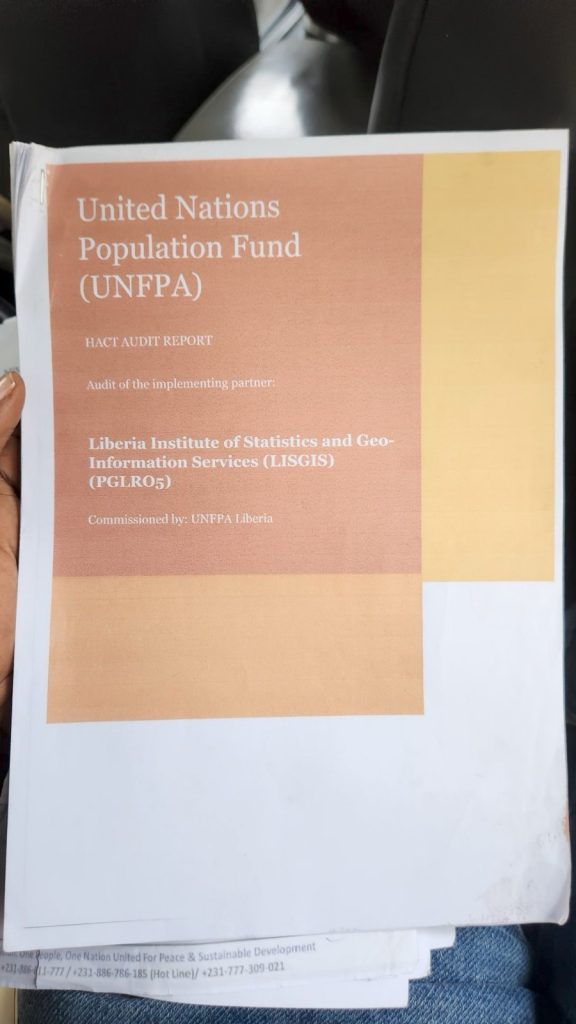
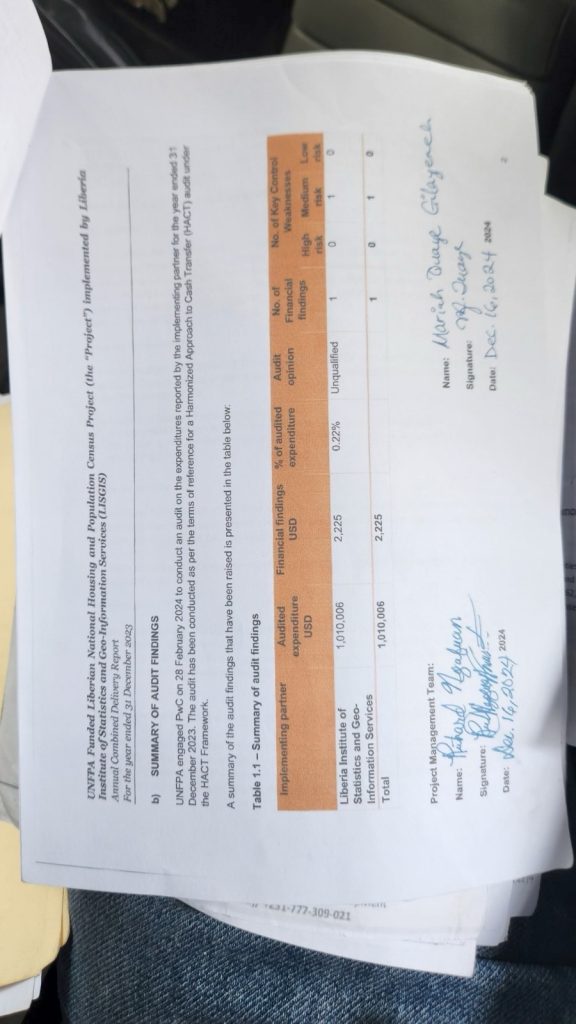
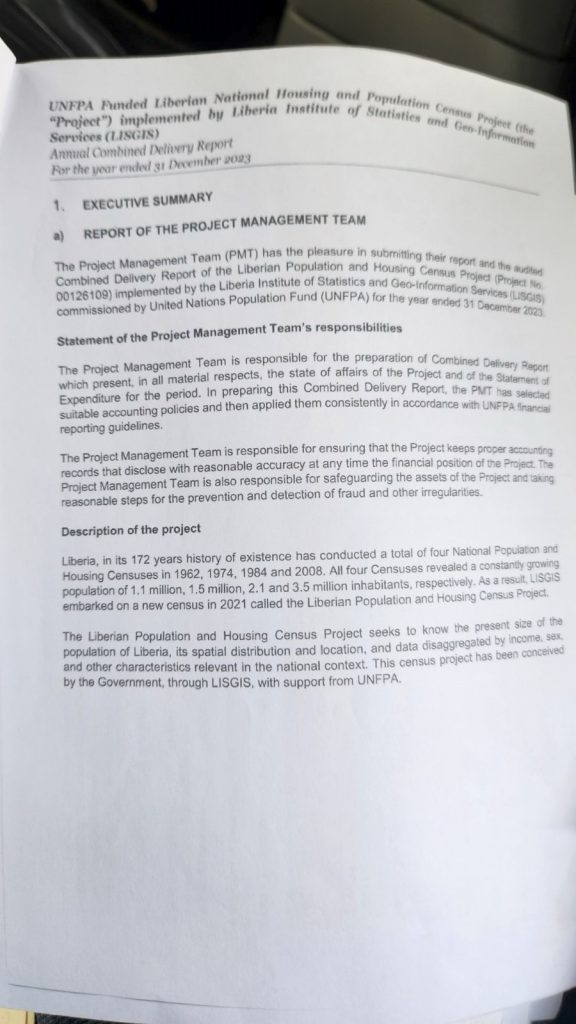
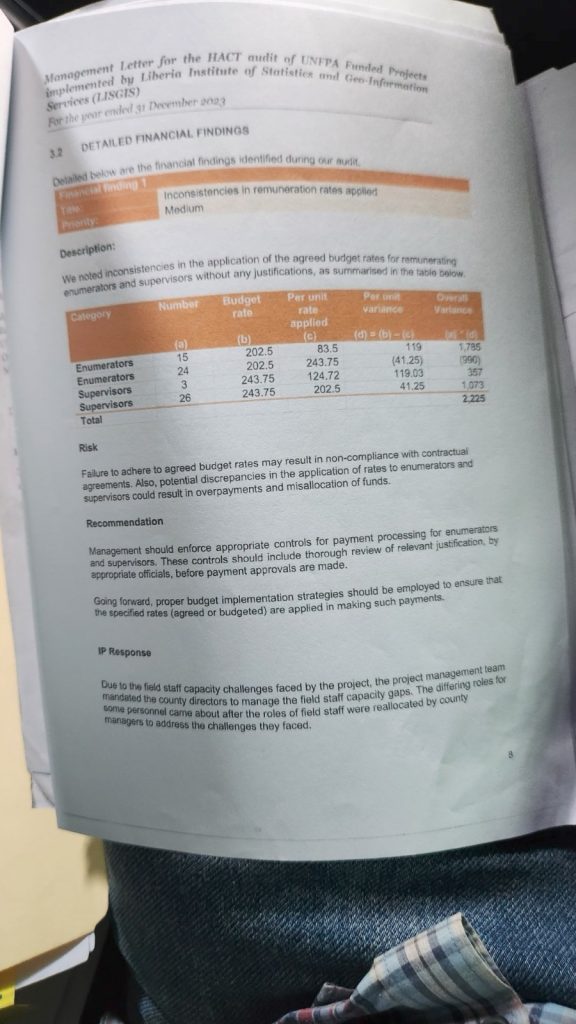
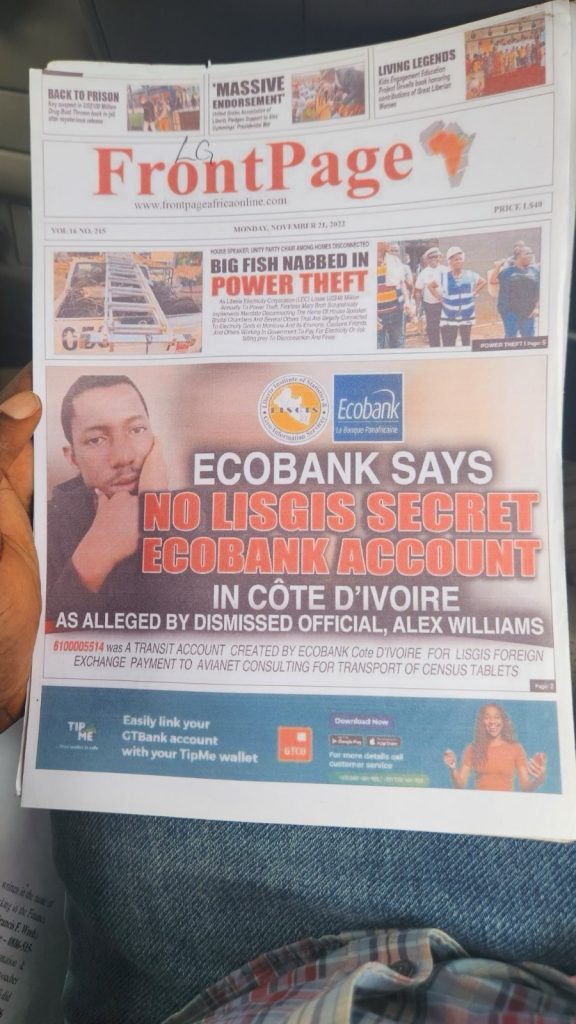
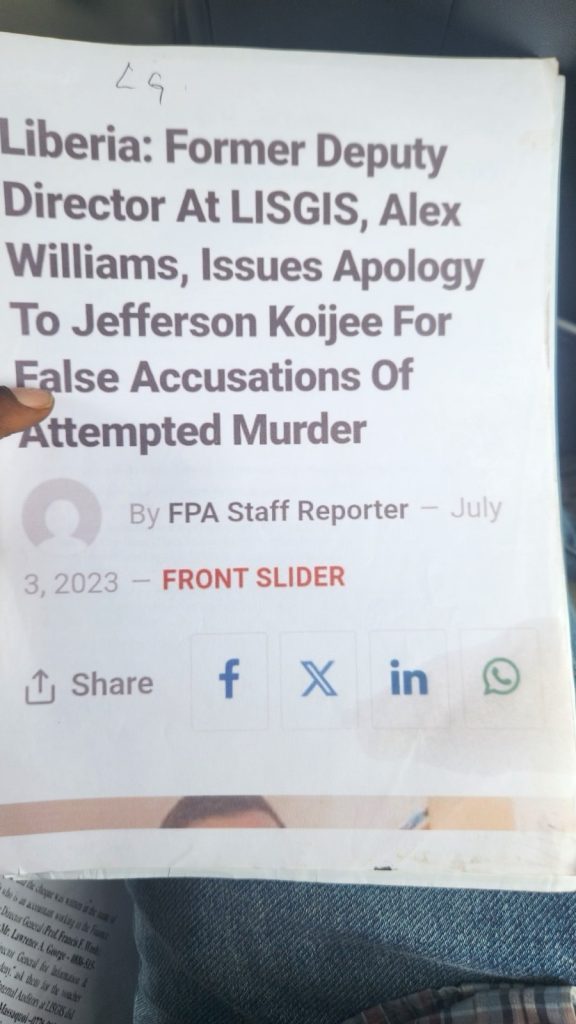
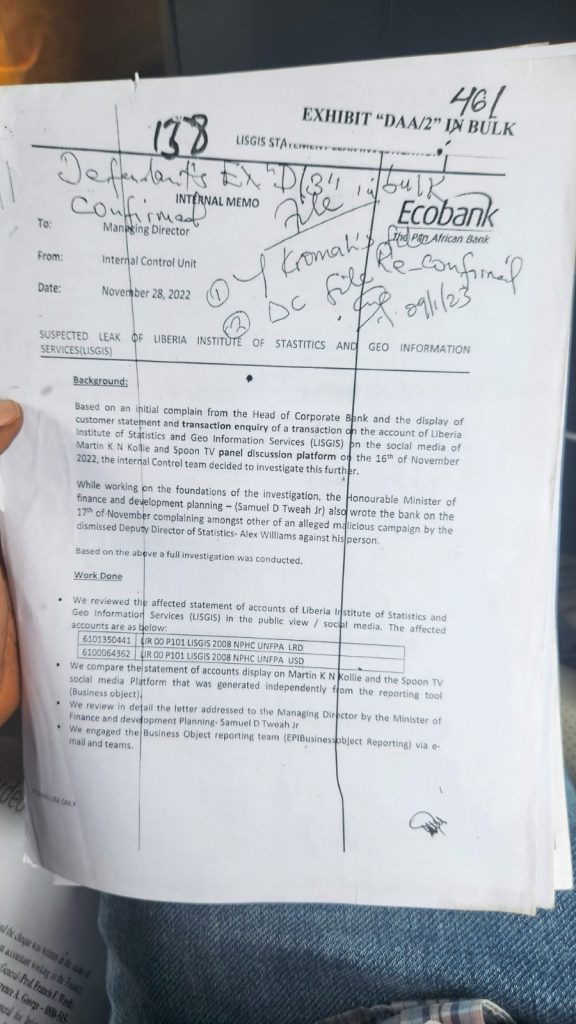
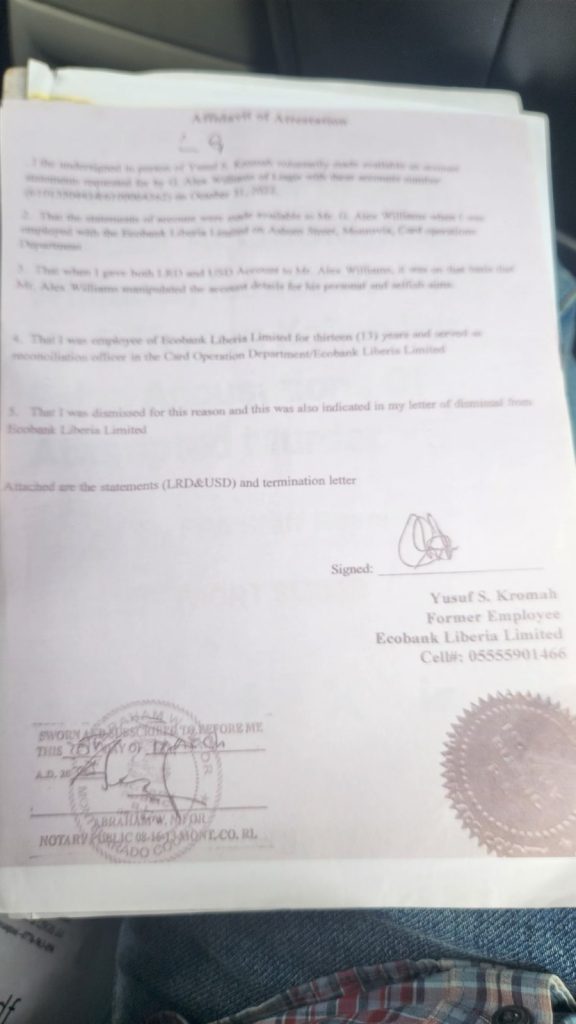
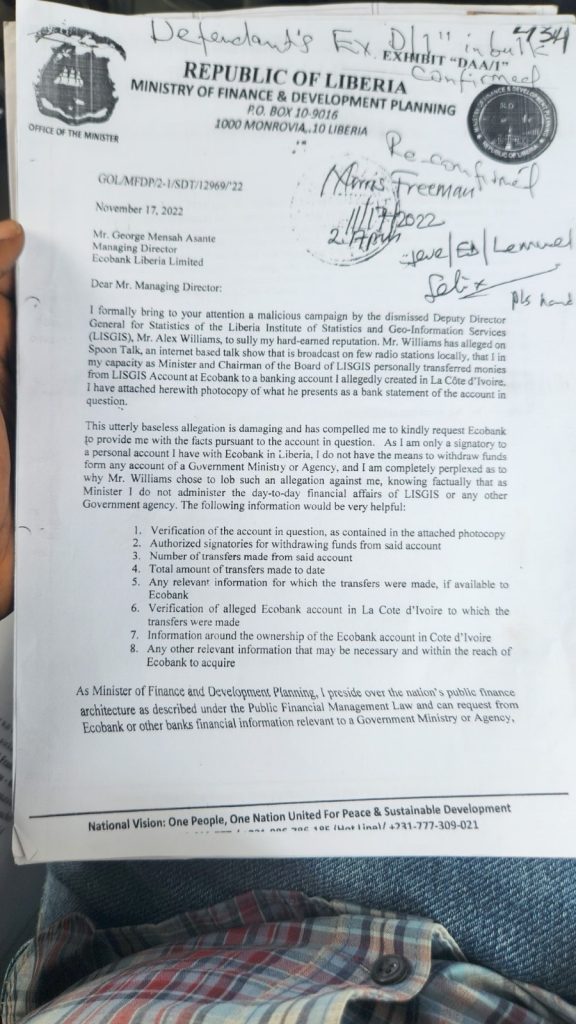
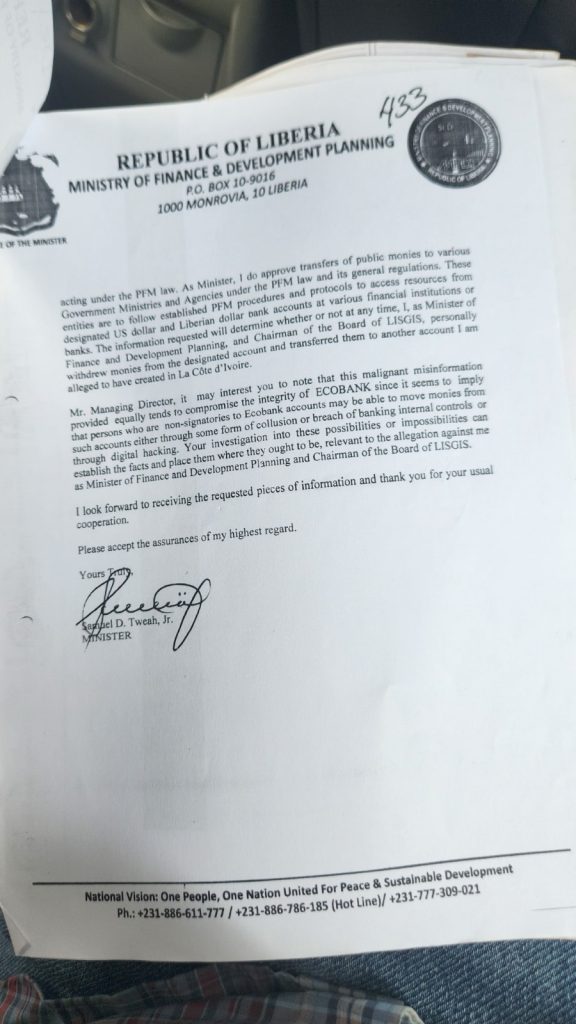
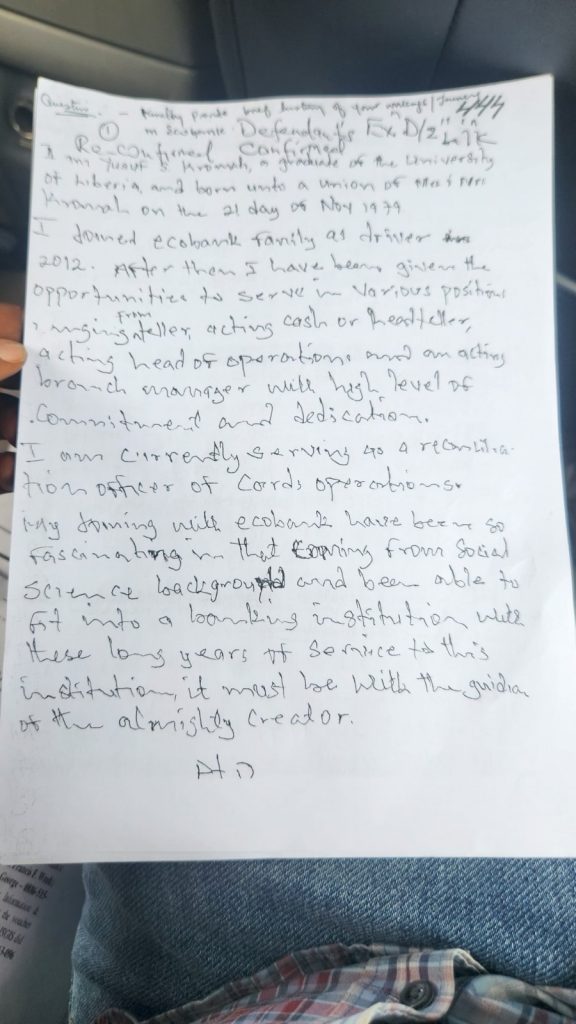
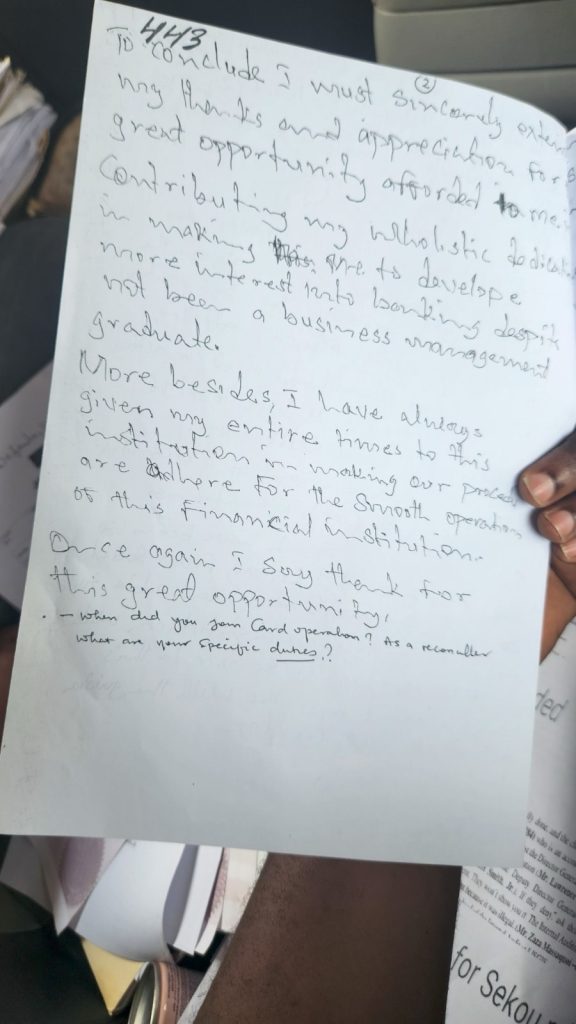
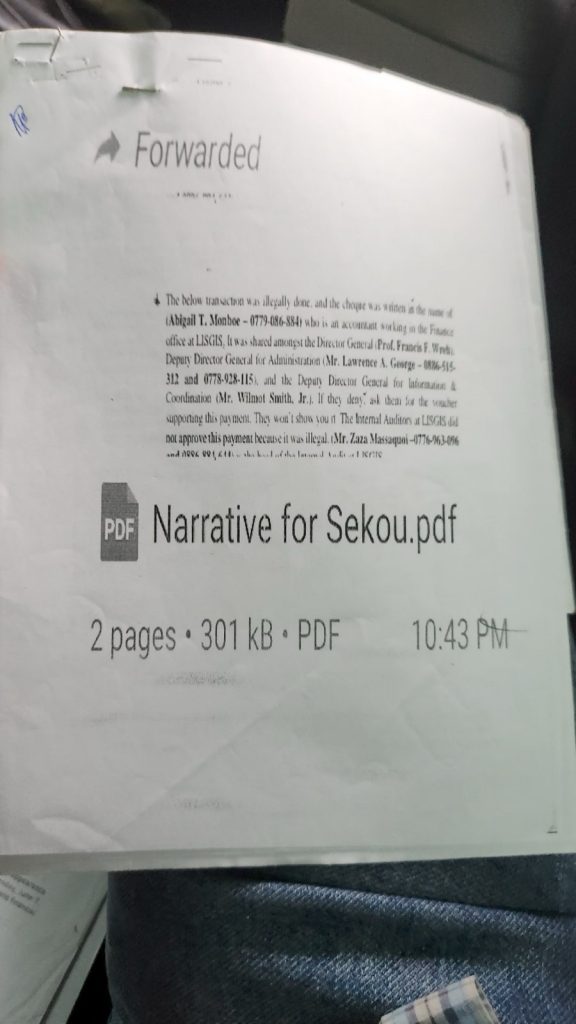
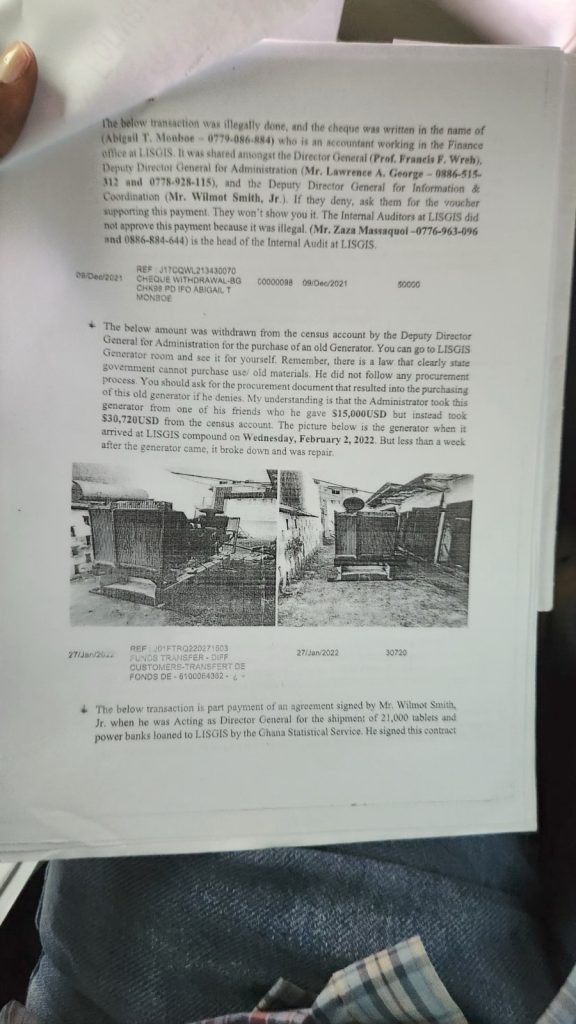
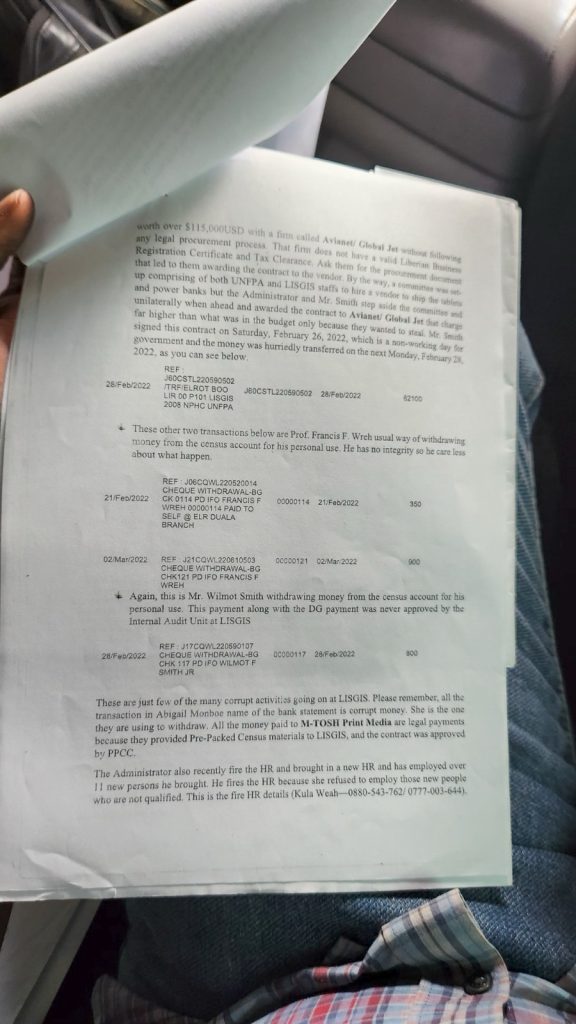
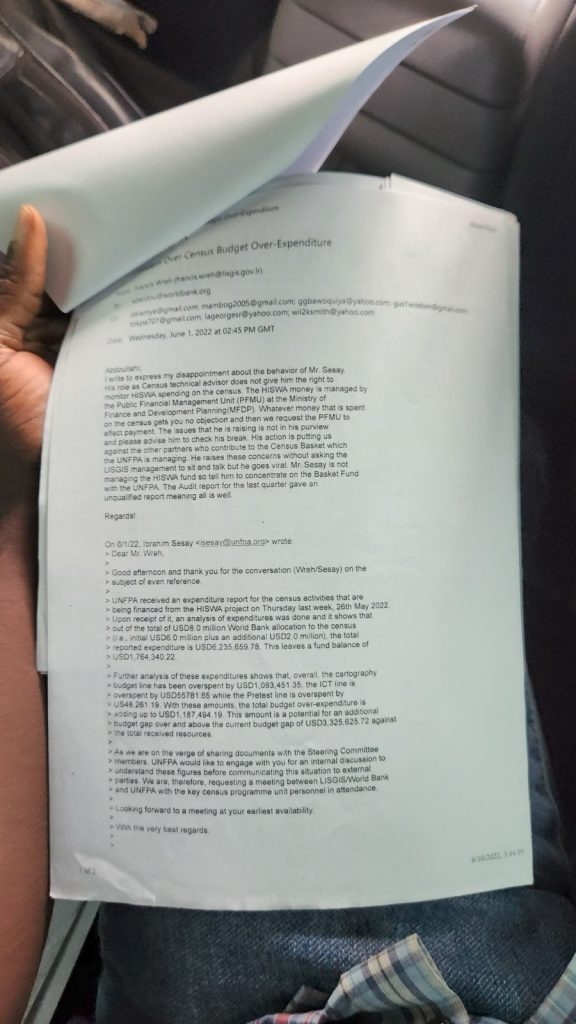
There are more of these in our WhatsApp Channel (Click Here) to read more in sequence. All the necessary documents that the law requires to redress this case for a proper hearing are there.
NOTE: Images use in this article is owned by the individuals in it, we have no right to them and we are only using it for the use of our articles. Also, please follow us on all social media media pages and join our WhatsApp Channel and Telegram channel. You can follow our YouTube and TikTok for more interesting videos and clips. Don’t miss out on anything about Gossip Liberia.